Location
Location
Blue-Green Algae in the Magnetawan Region: What Cottage Owners & Visitors Need to Know
The Magnetawan area—stretching across Ahmic Lake, Lake Cecebe, Horn Lake, Neighick (Beaver) Lake, Crawford Lake, Poverty Bay, and the entire Magnetawan River system—has long been known for its clear waters, rugged Canadian Shield shoreline, healthy forests, and exceptional paddling routes. This unique network of lakes and rivers connects westward through the historic Magnetawan locks, ultimately flowing to Georgian Bay.
However, like many parts of Muskoka, Parry Sound, and the Almaguin Highlands, the region has seen an increasing number of blue-green algae (cyanobacteria) advisories in recent years. While not every bloom is toxic, they can pose risks to people, pets, and wildlife—making awareness and prevention essential for anyone living on or visiting the water.
What Is Blue-Green Algae?

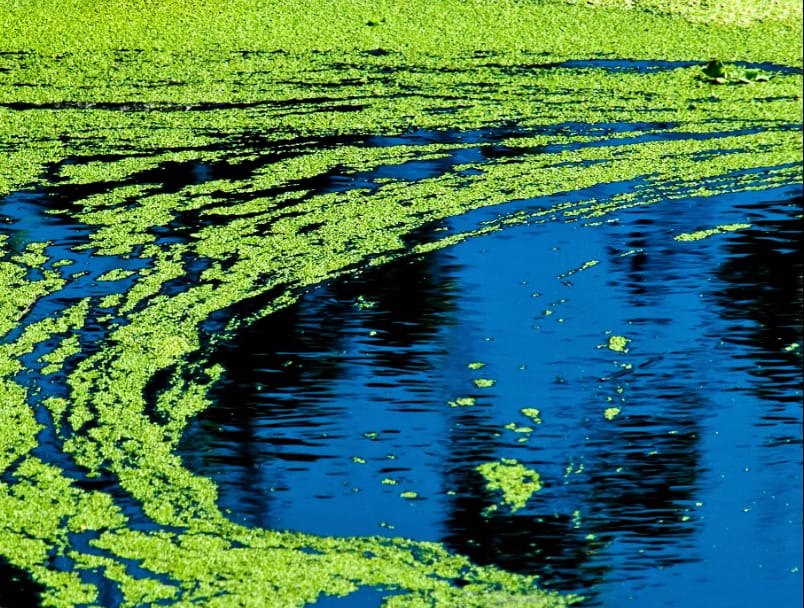
Blue-green algae (cyanobacteria) are naturally occurring microscopic organisms found in freshwater lakes, rivers, and wetlands. Under normal conditions, they are part of the ecosystem. But when conditions become favourable—warm water, calm weather, and high nutrient levels—cyanobacteria can multiply rapidly, forming dense surface blooms that look like:
-
pea soup
-
green paint streaks
-
floating scum or mats
-
turquoise or blue-green discolouration
Some species produce cyanotoxins, which can impact the liver, nervous system, and skin.
Why It’s a Concern in the Magnetawan Region
The Magnetawan watershed includes several long, interconnected lakes. This makes it vulnerable to nutrient movement and rapid bloom development during warm months. While blooms have historically been more common south in Muskoka and near Georgian Bay, Magnetawan-area lakes have experienced advisories in recent years, mirroring wider regional trends.
Reasons include:
1. Warmer Summers
Longer heat waves and higher surface temperatures create ideal bloom conditions.
2. Increased Nutrient Loads
Runoff containing phosphorus—from fertilized lawns, aging septic systems, disturbed shorelines, and stormwater—can accelerate algae growth.
3. Slow-Moving Water
Ahmic, Cecebe, and Neighick are part of a long chain, meaning nutrients can move from one lake to another, feeding blooms along the way.
Environmental Impacts
According to the Muskoka Watershed Council, severe blooms can:
-
create surface scum within days
-
decompose rapidly and strip oxygen from the water
-
lead to “dead zones” and fish kills
-
degrade water quality, clarity, and recreational enjoyment
-
produce unpleasant odours and unsightly shoreline accumulations
When blooms die off, the decomposition process is especially harmful to oxygen levels—impacting lake trout, bass, and other cold-water species common in Magnetawan-area lakes.
Health Risks
The Simcoe Muskoka District Health Unit warns that ingesting high levels of cyanotoxins can affect the liver and nervous system in people and animals. Pets and livestock are particularly vulnerable because they may drink contaminated water or lick algae from their fur.
Possible symptoms include:
-
skin rash
-
stomach discomfort
-
sore throat
-
headache
-
fever
-
respiratory irritation

Whether you’re a resident, seasonal visitor, or searching for a Magnetawan-area cottage, water quality should always be a priority. Here are key steps:
1. Recognize the Signs
Avoid the water if you see:
-
pea-soup appearance
-
bright green streaks
-
thick mats or surface scum
-
unusual odour
When in doubt—stay out.
2. Reduce Nutrient Runoff
-
Use fertilizers sparingly (or not at all).
-
Maintain a healthy shoreline with natural vegetation.
-
Avoid clearing shoreline areas or hardening edges.
-
Check your septic system annually and pump regularly.
3. Install or Maintain a Natural Buffer Zone
A 10–30 metre vegetated buffer significantly reduces runoff and helps stabilize shorelines.
4. Report Suspected Blooms
If you see a potential bloom, call the Ontario Pollution Hotline at
📞 1-866-663-8477
This alerts authorities who monitor water quality across Muskoka, Parry Sound, and the Almaguin Highlands.
Final Thoughts
While blue-green algae blooms are an ongoing concern across cottage country—including the Magnetawan River watershed—they can be managed through awareness, responsible shoreline practices, and timely reporting. The Magnetawan area remains one of Ontario’s most cherished destinations for boating, paddling, cottaging, and year-round living. With proper stewardship, its lakes and rivers can stay healthy for generations to come.
If you're considering purchasing or selling a waterfront property on Ahmic Lake, Lake Cecebe, or anywhere in Magnetawan, understanding water quality trends is an important part of making an informed decision.